
The Main Difference
A capsule wardrobe can be organized around changing seasons or around garments that remain in regular use throughout the year. The key distinction is what moves in and out of active wear: one approach rotates selected pieces, while the other keeps a consistent core and adapts it with layers. Neither model means replacing every item when the weather changes. For example, a wardrobe may shift from sandals to boots, or keep the same trousers and shirts while adding a coat or cardigan. These structures describe different ways to manage clothing, not different standards for how many garments you own.
Seasonal rotation
A seasonal capsule wardrobe is a selected group of clothes that changes as the calendar and typical conditions change. Some garments move into active use while others become less relevant: linen shirts and shorts may take the place of heavier knitwear, while a wool coat and thermal layers return when cooler months arrive. The rotation concerns particular categories or pieces, rather than the entire closet.
For instance, you might continue wearing the same jeans, plain T-shirts, and everyday sneakers across several seasons, while changing outerwear, footwear, and fabric weight. A seasonal capsule therefore differs from a full wardrobe replacement: its stable items remain available, and only the portion suited to the current part of the year shifts. The defining feature is a planned change in the active selection, not a new set of clothes from head to toe.
Year-round core
A year-round capsule wardrobe keeps a consistent set of core garments in use across the calendar. Items such as a pair of dark trousers, a cotton shirt, and a lightweight sweater can remain part of your regular outfits rather than being packed away for a particular season. The capsule changes through added or removed layers, not through a broad exchange of the core.
A coat, cardigan, or base layer can respond to cooler days, while a lighter shirt or open layer may suit warmer conditions; activity can also change which pieces you wear. The same trousers and shirt might work alone indoors, beneath a sweater outdoors, or under a coat on a cold commute. In this structure, versatile clothing basics provide continuity, and the extra layers adjust the outfit without taking the core garments out of regular rotation.
Compare the Approaches
A seasonal capsule wardrobe and a year-round capsule wardrobe differ most in how they handle changing conditions and everyday choices. Comparing them by weather flexibility, layering, storage, outfit planning, and routine makes the practical trade-offs easier to see. The same garment can serve as a reliable core in one closet and as a seasonal piece in another. The table focuses on typical differences rather than fixed rules, since fabrics, local weather, and daily activities all affect how a wardrobe works.
Comparison by practical criteria
Each approach can support a small, usable closet, but it organizes clothing around a different pattern. These comparisons show where each method tends to feel more convenient.
| Criterion | Seasonal rotation | Year-round core |
|---|---|---|
| Weather flexibility | Clothing choices can shift with the season, making it easier to keep fabrics and coverage suited to distinct weather. A warm-weather set can give way to insulating layers and heavier materials when conditions change. | Versatility comes from keeping pieces that work across conditions, such as a long-sleeved top that can be worn alone or under a sweater. Very warm or cold spells may call for a few additional items. |
| Layering | Layers can be selected for the active season, with lighter combinations available during warmer periods and warmer layers brought forward later. Pieces outside the current set may be less accessible. | Layering is central to everyday use: a shirt, knit layer, and outer layer can be combined or removed as the day changes. The same pieces need to work together across more than one part of the year. |
| Storage needs | Clothing not in use needs a separate, accessible place, such as a labeled closet shelf or storage box. The wardrobe depends on putting away and retrieving pieces during seasonal changes. | More clothing stays in the active closet, so fewer items need seasonal storage. Keeping the rail usable can require editing out pieces that do not suit the regular routine. |
| Outfit planning | Planning can focus on a smaller seasonal color palette and the activities expected during that period. At a transition, combinations may need to be reconsidered as different pieces return. | Outfit planning centers on repeatable combinations among versatile clothing basics. A neutral color wardrobe can make it easier to pair tops, bottoms, and layers without changing the whole selection. |
| Fit for different routines | Distinct activities at different times of year can be reflected in the active selection, such as lighter clothing for outdoor summer plans or warmer pieces for winter commutes. | A consistent workweek or similar daily schedule can benefit from dependable combinations that remain available throughout the year. Frequent changes in activity may mean the core needs more varied pieces. |
The seasonal approach prioritizes a focused selection for the period, while a year-round capsule wardrobe prioritizes access to adaptable pieces. Neither removes outfit decisions; each places them at a different point in the closet routine.
How the trade-offs interact
Weather flexibility affects how much layering a wardrobe needs. A seasonal set can match its fabrics and coverage to a particular part of the year, but a sudden shift between warm afternoons and cool evenings may leave fewer useful combinations at hand. A year-round core keeps more transitional options accessible, though those pieces must layer comfortably and coordinate with one another. A light sweater that works over a shirt and beneath a coat, for example, has more value when both combinations fit the wearer’s routine. Storage and planning also influence one another. Moving out-of-season clothing can make the active closet easier to navigate, but it adds a recurring task: sort, store, retrieve, and check whether returning pieces still fit the current routine. Keeping clothing available all year reduces that transition work, while a larger active selection can make outfit planning less focused. A clear palette and repeatable combinations help either approach; the difference is whether planning happens mainly when seasons change or as part of everyday dressing. Those choices shape how well the closet supports workdays, travel, and leisure without relying on the same outfit for every setting.
When a Seasonal Rotation May Fit
A seasonal capsule wardrobe can be useful when the clothes required for one part of the year differ substantially from those needed later. The practical case depends on more than temperature: precipitation, regular activities, and the space available for garments all matter. Look for recurring changes that affect what you wear, rather than reacting to a single cold or rainy day. The details below can help you judge whether rotating clothes would simplify your routine.
Distinct weather changes
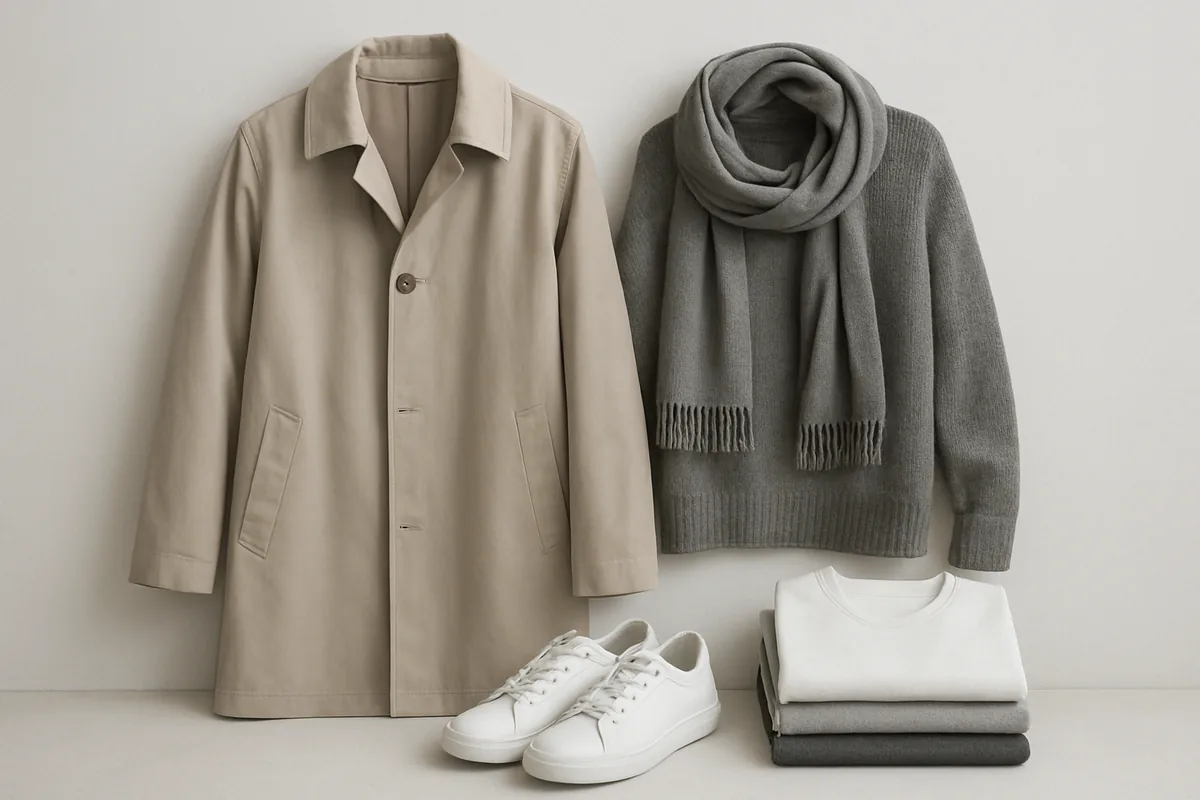
Pronounced shifts in temperature or precipitation can make different garments useful at different times of year. A winter that regularly brings temperatures below freezing may call for an insulated coat, wool trousers, and weather-resistant footwear, while weeks near 25°C may make linen shirts and lightweight dresses more comfortable.
The degree of contrast matters: if your usual conditions stay within a moderate range, many of the same versatile clothing basics may work throughout the year. You might only need a rain shell or a warmer mid-layer for occasional changes. By contrast, recurring snow, heavy rain, or sustained heat can leave certain garments unused for months while other pieces become essential. Consider the conditions you encounter on ordinary weekdays, including your commute, rather than unusual extremes. Rotation is more likely to help when the same distinct needs return each year and require substantially different fabrics, footwear, or outerwear.
Storage and transition planning
Rotation works best when off-season clothes can be stored cleanly and retrieved without disrupting daily dressing. Consider these practical details before moving garments out of regular reach:
- Use a dry, clean shelf, drawer, or lidded container; damp storage can encourage mildew, especially on wool coats and cotton knits.
- Keep stored clothing easy to reach, such as in a labeled box on an accessible closet shelf rather than behind frequently used items.
- Time the change around your actual wear: move garments when several weeks of your routine call for different pieces, not on a fixed calendar date.
- Launder or clean items according to their care labels before storage, and make sure every garment is fully dry before folding or hanging it.
- Leave rainwear, a warm layer, and other frequently used pieces accessible if your daily conditions can still change during the transition.
If storage is cramped or retrieval is inconvenient, keeping more clothes in active circulation may be simpler than a full seasonal rotation.
Seasonal activities
Recurring activities can create clothing needs that are distinct from everyday dressing. Someone who does outdoor maintenance in spring and summer may rely on washable work trousers, sun-protective shirts, and sturdy shoes, while a winter sports routine may require insulated layers and waterproof gloves. A seasonal rotation can make sense if these items take up space and see regular use only during a defined part of the year.
Travel can change the calculation too: a month of warm-weather trips may call for breathable, easy-care pieces, while frequent visits to colder destinations may keep a coat and boots in use. Consider how often the activity occurs, whether specialist clothing is genuinely needed, and whether those garments can serve other parts of your routine. If sports or outdoor work continues across seasons, retaining its core clothing in easy reach may be more practical than packing it away. Let the repeated demands of your calendar—not an assumption that every season needs a separate set—guide the decision.
When a Year-Round Core May Fit
A year-round capsule wardrobe can be convenient when the same clothes serve most days of the week. A small, dependable group of garments is easier to plan around recurring work, errands, and leisure activities. Layering can extend the use of those pieces when temperatures shift, provided the layers suit the conditions. Weather extremes and occasional changes in activity may still call for garments beyond the everyday core.
Consistent routines
A stable weekly schedule makes it easier to identify which clothes earn regular use. If an office routine calls for trousers, a shirt, and a light sweater from Monday to Friday, those garments can form the dependable center of a closet; the same combinations may also work for dinners or weekend errands. Repeating a few reliable outfit formulas reduces daily decisions without requiring an identical outfit every day. Plan around the actual week, not an idealized one. A home-based workday may need comfortable layers, while a client meeting, a 12-hour flight, or a weekend hike calls for different features, such as a polished jacket, stretch fabric, or walking shoes. Keep those less frequent needs visible when choosing the core, and add a specific garment if the activity cannot be handled comfortably with what is already in regular use.
Layering across conditions
Layering lets one outfit adapt as indoor heating, wind, or temperature changes, rather than relying on a single thick garment. Build from the skin outward: a breathable base, an insulating midlayer, and an outer layer suited to rain or wind. Accessories can address exposed areas when needed. These pieces work best when their fit allows them to sit comfortably together and each can also be worn on its own.
- Base layer: A cotton or merino T-shirt sits close to the body under a shirt or sweater, adding light coverage that can be removed indoors.
- Insulating midlayer: A fine-knit sweater or fleece adds warmth over a base layer; choose a fit that still leaves room for a coat.
- Outer layer: A wind-resistant jacket helps on breezy days, while a raincoat with a hood is more useful during wet commutes.
- Weather-specific accessories: A scarf, gloves, or compact umbrella can address cold hands, a chilly neck, or rain without changing the entire outfit.
For example, wear the base and midlayer together outdoors, then remove the sweater in a heated office; add a coat for the journey home. Layering clothes for changing weather can stretch the use of familiar garments, but a light jacket and knitwear will not replace insulated outerwear in severe cold or specialized gear for demanding outdoor activities.
Limited storage and changing needs
When closet space is limited, keeping more garments in regular use can reduce the need to store large groups of clothes in bins or spare-room wardrobes. A compact rail with everyday trousers, shirts, knitwear, and one or two outer layers keeps choices accessible; under-bed storage can remain available for occasional items rather than an entire second wardrobe. The benefit depends on having enough space for clothes to hang or fold without becoming difficult to find. A small closet still has to reflect local weather and personal routines. Someone who cycles to work in frequent rain may need waterproof trousers and a rain shell, while a person who swims weekly needs room for swimwear and a quick-drying cover-up. Laundry frequency matters too: if washing happens once a week, a few extra shirts or pairs of socks may be more practical than a very narrow selection. Keep garments that serve those recurring needs in use, and store only items with a clear off-season or occasional purpose.
Choose by Climate, Storage, and Routine
Your climate, closet space, and weekly habits can matter more than the number of pieces in a capsule. Track the conditions you dress for across a typical year, including cold mornings, wet commutes, and indoor heating. Consider how often you do laundry and whether recurring activities require specialized clothing. These details help you decide which pieces should stay accessible and which can move in or out of rotation. Use the criteria below to shape a plan you can maintain.
Decision criteria
Assess each factor against your actual week, not an idealized wardrobe. A seasonal capsule wardrobe may suit some patterns, while others call for fewer changes between months.
- Local weather: Note the temperature swings and precipitation you regularly face. If winter brings freezing mornings and summer exceeds 25°C, separate weather-specific pieces can improve comfort.
- Layering preference: If you like adjusting one outfit through the day, prioritize thin knits, overshirts, and a packable shell; if not, plan more distinct seasonal outfits.
- Storage capacity: Count the shelf or drawer space available for off-season clothes. A single small closet favors accessible, compact layers; spare bins make rotating bulky coats easier.
- Laundry habits: Record how often you wash everyday clothes. Weekly laundry may allow a smaller set of frequently worn pieces, while longer intervals call for extra tops and socks.
- Recurring activities: List weekly needs such as cycling, office days, or formal events. Reserve space for clothing that serves those routines, rather than buying seasonal items for rare occasions.
- Weather unpredictability: If forecasts shift sharply within a week, keep a rain layer and a warm mid-layer within reach, even when the calendar suggests a stable season.
Give priority to the constraints that regularly disrupt dressing: a wet commute, a crowded closet, or laundry only every ten days. The best plan is the one that covers those situations without keeping rarely used garments in your daily rotation.
A hybrid approach
A hybrid plan keeps a year-round capsule wardrobe of frequently worn pieces in your main closet and rotates a smaller group of weather- or activity-specific garments. Your core might include trousers, shirts, everyday shoes, and a midweight knit; the rotation could hold a heavy coat, sandals, or a waterproof layer that you use mainly in certain conditions. Choose the core by tracking what you reach for across several months, rather than by aiming for a fixed number of items. Place a garment in the rotating group when its warmth, fabric, or function makes it uncomfortable or unnecessary for much of the year. Keep it in the core if it works across multiple temperatures, pairs with several outfits, or supports a routine you follow every week. For example, a rain shell may stay accessible in a wet climate, while insulated gloves can be stored until cold weather returns. Label a bin by season or activity and review it at each changeover; remove pieces that went unworn through the full cycle.
Matching the approach to your routine
Distinct temperature changes, enough storage, and activities that shift by season can make a seasonal rotation practical. A mild climate, limited closet space, frequent laundry, and a steady weekly routine often favor a compact year-round core. When you have mixed conditions or only a few specialized needs, combine the two: keep versatile basics accessible and rotate just the garments tied to cold, heat, rain, or a specific activity. If your weather and schedule change often, start with that hybrid and review it after one full year; choose a fuller rotation only if separate seasonal groups genuinely make dressing easier.