
The Capsule Wardrobe Idea
A capsule wardrobe is a deliberately selected group of clothes for recurring needs, not a fixed shopping list. Its pieces can be combined to make repeatable outfits and simplify everyday choices. The approach can reflect different routines, comfort preferences, and personal styles. Its value depends on whether the clothes work for the person wearing them, not on matching a standard number.
Definition
A capsule wardrobe is a personally selected group of clothes that can be combined to meet needs that return in ordinary life. The selection is defined by the wearer, not by a prescribed list: a piece belongs when it serves a recurring use and works with other items in that person’s closet. For one person, recurring needs may center on commuting and casual weekends; for another, they may include remote work, formal appointments, or frequent travel. These differences shape what feels useful and how much variety the wearer wants.
The term describes an approach to selecting and using clothes, not a uniform aesthetic or a demand to dress alike. A capsule can reflect bold preferences or restrained ones, provided its chosen pieces suit the wearer’s routine. The practical test is whether the group supports real, repeated use while feeling comfortable to wear.
Purpose and limits
When clothes can be combined in several ways, a familiar set of pieces can support repeatable outfits and make daily choices simpler. Instead of reconsidering every item each time an occasion comes up, the wearer can rely on combinations that already feel appropriate and comfortable. This can be useful on busy mornings or when moving between recurring settings, such as work and time off. The aim is dependable use, not reducing clothing choices to a single look.
There is no required wardrobe size or universal formula for a capsule. The right selection varies with personal style, how often particular clothes are worn, and the kinds of occasions a person needs to dress for. A capsule wardrobe does not require buying new clothes; items already owned can form part of it when they suit those needs. Some people may prefer a compact selection, while others need more choice to feel prepared. Choose an approach based on the clothes and variety your routine genuinely calls for.
Start With Your Daily Life
A practical wardrobe starts with the week you actually live, not a schedule built around hypothetical events. Note how many days involve a workplace, time at home, outdoor travel, exercise, or other regular activities. Local weather and your tolerance for heat, cold, or restrictive fabrics also affect what you reach for. When capsule wardrobe outfit planning reflects those patterns, clothes are more likely to earn regular use.
Weekly clothing needs
Use a typical seven-day calendar to connect clothing choices with real demands, including how often you wash and dry clothes. Record recurring routines before considering occasional events.
- For office days, note the dress code, commute, and number of shifts; three days in business casual call for different choices than five uniformed shifts.
- At home, consider whether you spend hours seated, doing chores, or taking video calls; comfortable layers can matter more than formal pieces on those days.
- Match clothing to local conditions: rainy commutes, windy coastal walks, or hot afternoons change outerwear and fabric needs across the same working week.
- Write down regular activities such as cycling, gym sessions, or school runs, then account for how often each requires a change of clothes.
- Comfort affects repeat wear: if stiff waistbands or scratchy knits end up untouched, prioritize the fits and fabrics you can wear through a full day.
- Track laundry timing, including whether you wash twice weekly or wait until the weekend; drying time also matters for items needed again soon.
- Count demanding days rather than assuming every day is alike; a weekly schedule with four commutes and one hike has distinct practical clothing needs.
A simple week-long note of activities, weather, and laundry dates can reveal which needs occur repeatedly and which are rare. Choose around those regular activities and your actual washing schedule, so clean, comfortable clothes are available when the next demanding day arrives.
Clothing Categories and Coordination
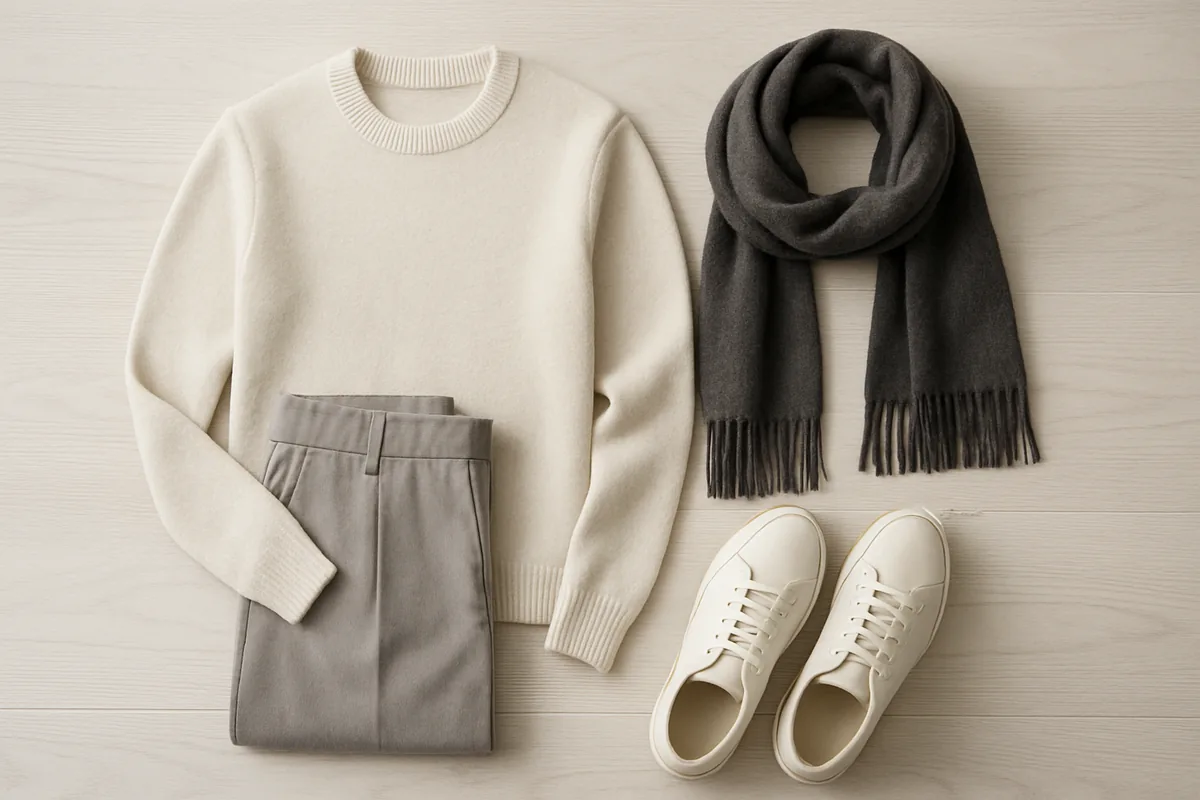
A coordinated closet starts with garments that work across several outfits, not simply with a set number of pieces. Tops, bottoms, layers, and footwear each contribute a different function, while occasion pieces cover needs that arise less often. A compatible capsule wardrobe color palette makes those pieces easier to pair without requiring every item to match. The examples below show how familiar garment pairings can support practical, repeatable outfits.
Core categories
Think of capsule wardrobe essentials as working parts of complete outfits: each category should pair with more than one other item. A useful starting point is to consider what each garment contributes when you dress, from coverage and comfort to a suitable finish.
These roles help distinguish frequently used pieces from clothes reserved for specific events.
- Tops: Tees, shirts, and fine knits sit closest to the body and set an outfit’s level of formality; a white tee can soften tailored trousers.
- Bottoms: Jeans, trousers, skirts, and shorts anchor the outfit and affect which tops and shoes feel appropriate; straight-leg dark jeans work with shirts or knits.
- Layers: Cardigans, blazers, overshirts, and coats add warmth or structure over a top; a navy blazer can make a simple tee and trousers feel more polished.
- Footwear: Sneakers, loafers, boots, and dress shoes change an outfit’s comfort and formality; clean leather sneakers suit jeans, while loafers sharpen the same combination.
- Occasion pieces: A suit, formal dress, or special-event jacket serves less frequent invitations that everyday combinations may not cover; choose a piece suited to the actual dress code.
- Occasion footwear: Dress heels or polished flats can complete a wedding or evening outfit without needing to serve as daily walking shoes.
For a functional wardrobe, connect each less-used item to pieces already worn often: a formal jacket might pair with existing trousers, while occasion shoes should work with at least one suitable outfit. This keeps occasional needs covered without letting them dictate the everyday selection.
Color and outfit combinations
A restrained group of compatible colors makes it easier to build outfits with fewer clothes. Choose two or three neutral shades, such as navy, black, gray, or cream, then add one or two accent colors that already appear in clothes you enjoy wearing. Repeating a color in a top, layer, or accessory can also connect a pattern to solid garments.
Use combinations like these as starting points, then adjust the shoes or layer to suit the setting.
| Garment pairing | Example colors | Use | Versatility |
|---|---|---|---|
| White tee and straight-leg trousers | White with navy, charcoal, or tan | Casual office, errands, or travel | Change sneakers to loafers and add a blazer for a sharper finish. |
| Oxford shirt and dark jeans | Light blue or white with indigo | Casual meetings or weekend plans | Wear untucked with sneakers or tucked with a belt and loafers. |
| Fine-knit sweater and midi skirt | Cream with black, gray, or a muted accent | Workdays or a daytime gathering | Flat shoes keep the outfit relaxed; ankle boots add structure. |
| Neutral dress and tailored jacket | Black, navy, or tan with a matching neutral | Work events or evening invitations | Use flats for daytime and dress shoes for a more formal setting. |
These mix and match outfits show how a small number of familiar pairings can serve different occasions. Before adding a color or combination, check your current closet: identify the tops, bottoms, layers, and shoes you already wear, then see whether each proposed pairing works with at least two of them. A palette is practical when it coordinates with those real favorites, not just when the colors look cohesive together.
Build and Refine the Wardrobe
A useful capsule wardrobe takes shape through observation, not a one-time purge or a fixed item count. Review what you already wear, then check whether those clothes support the combinations and recurring situations you actually face. A brief record can separate a genuine outfit gap from a piece that simply needs a different place in your routine. Make changes in small steps, using real wear as evidence for what to keep, alter, or reconsider.
Review existing clothes
Set aside a focused review period, such as four weeks, and record what you wear rather than relying on memory. A phone note or paper calendar can capture each garment, the occasion, and the combination that made it useful.
- Before reviewing, gather clean clothes from the closet, laundry, and regular storage so the inventory reflects what is genuinely available to wear.
- Mark each worn piece on a simple list, adding the date and whether it suited work, errands, home, or another routine.
- Record combinations by noting the pieces worn together; a repeated pairing is stronger evidence of usefulness than an isolated item count.
- For clothes left unworn, write down the specific reason, such as uncomfortable fit, care demands, weather, or no suitable occasion during the review.
- At the end of four weeks, compare notes with your calendar and identify garments that repeatedly supported the same routines or outfits.
Use the record to assess function as well as frequency: a formal outfit may be worn rarely but still serve a planned annual event. This capsule wardrobe guide works best when the review reflects actual wear and combinations, not assumptions about what should be useful.
Spot outfit gaps
Look for a missing function only after checking where current outfits break down. A gap may appear when a recurring occasion has no comfortable combination, when a needed layer makes an outfit impractical, or when two otherwise useful pieces do not work together. Describe the failure precisely: for example, an outfit for a weekly commute may look suitable but prove uncomfortable after a long walk. That is more actionable than deciding that a particular garment category is missing. An unworn item is not automatically evidence of a gap. It may have had no relevant occasion during the review, may need a repair, or may be difficult to reach among crowded storage. Check whether another existing combination already handles the same need, and distinguish a one-off event from a repeated requirement. If a routine occurs every week but no available outfit reliably serves it, record that function as a likely gap. If the need has not recurred, keep it as a question rather than a shopping task; the aim is to identify outfit failures, not generate a list of purchases.
Adjust over time
Treat changes as small tests tied to the evidence in your wear record. If an outfit repeatedly fails because a garment needs repair or a different fit, address that issue before deciding the whole combination is unusable. If a piece remains unworn through several relevant occasions, consider whether its care requirements, comfort, or place in the closet is preventing use. Reassess after another few weeks rather than changing several parts of the wardrobe at once; a single adjustment makes its effect easier to judge. A step-by-step guide to building a capsule wardrobe can help order the work: observe use, identify a recurring outfit problem, test an adjustment with what is already available, and review the result. Changing routines may also change what counts as useful, so repeat the check after a new schedule, role, or regular activity begins. Keep notes brief and specific, such as which combination worked on a rainy commute or which item stayed unworn despite suitable occasions. Make the next change only when observed use shows a consistent reason to do so.
Choose a Guide for Your Needs
Different capsule wardrobe questions call for different guidance: a definition, a practical method, a style perspective, or seasonal direction. The Capsule Wardrobe Guide is an independent English-language information guide, not a shop, clothing business, service provider, school, organization, or former project associated with this domain. No products or services are offered. Choose the topic that matches your immediate decision, then move to another guide when your question changes.
Guide topics
Begin by matching the question you have to the type of guidance you need. Each topic offers a different starting point for wardrobe planning.
- Choose the definition explainer when you need to know what a capsule wardrobe means, what it can help organize, and where the idea’s boundaries lie.
- Use the practical building process when you want an ordered route from assessing your closet to selecting pieces and testing combinations in daily wear.
- Turn to the women’s guide for examples of proportions, silhouettes, and outfit choices considered through common women’s clothing categories and styling needs.
- Choose the men’s guide for guidance on fit, garment combinations, and useful wardrobe choices across common men’s clothing categories and everyday situations.
- French-inspired styling offers outfit ideas shaped by understated combinations, polished basics, and a relaxed approach to dressing.
- Use seasonal planning when changing temperatures or activities make you want to adapt clothing choices for spring, summer, autumn, or winter.
- Minimalist wardrobe principles show how fewer, carefully selected pieces can support a considered approach to getting dressed.
Treat these topics as separate entry points: a style guide answers a different need from a step-by-step wardrobe method. In short, use the definition for what the idea means, the building guide for how to begin, the women’s or men’s guide for fit and styling, French-inspired styling for that aesthetic, seasonal planning for weather changes, and minimalist principles for deciding what earns a place.