
A Practical Capsule Wardrobe Guide
Wardrobe plan
Plan a versatile closet, choose useful pieces, build outfits, and adapt it to your style and seasons.
Capsule Wardrobe Basics
A coordinated selection of clothes chosen to work together.
Coordinate Clothes
Core principles, clothing categories, and outfit planning.
Plan Daily Outfits
Clothing categories, outfit planning, and seasonal adjustments.
Use What You Own
A flexible plan for using what you own.
Adapt to Your Routine
A versatile closet around daily needs.
Key principles
What Makes a Wardrobe Work
A capsule wardrobe is defined by how its pieces work together, not by a small number of hangers.
- Clothing categories
- Outfit planning
- Seasonal adjustments
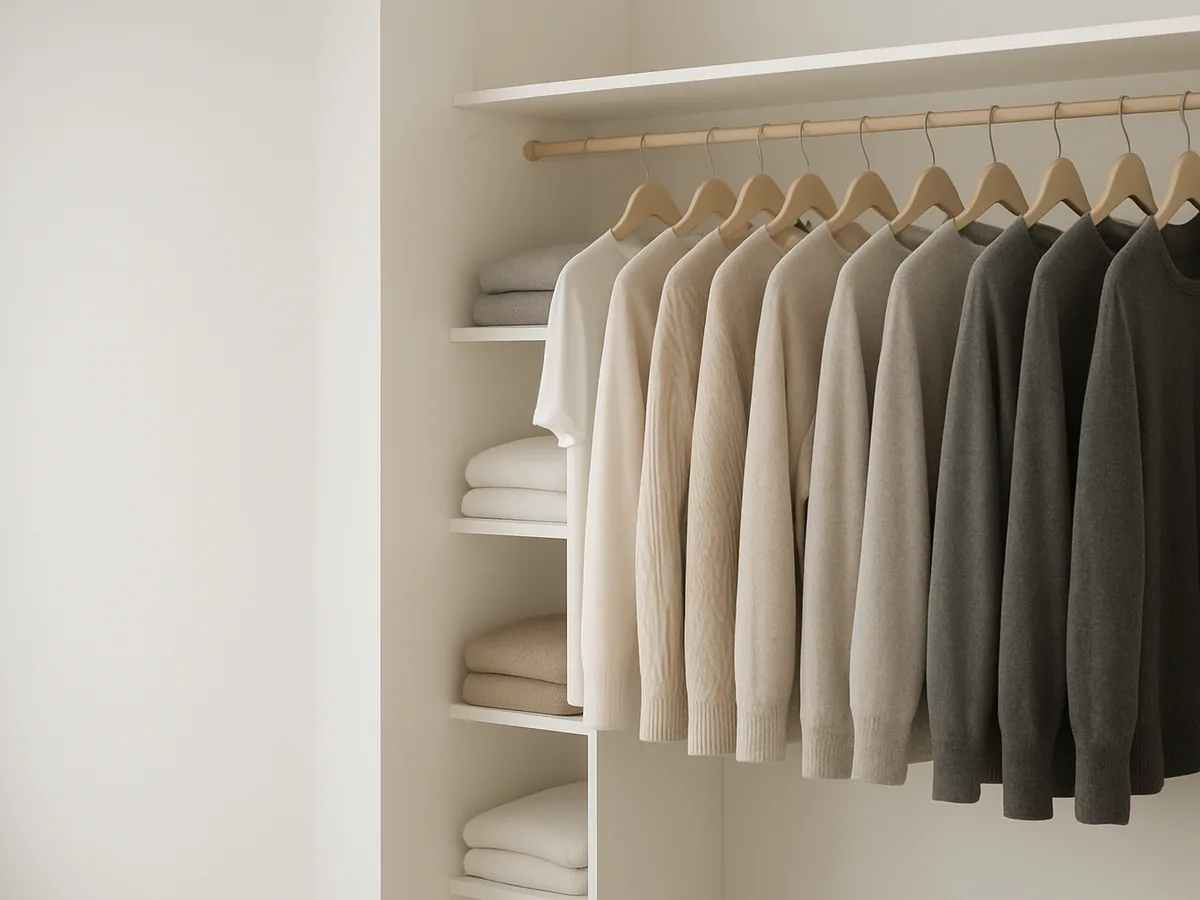
Build a Capsule Wardrobe
Start with the clothes you already own, not a shopping list.
Review Your Clothes
Closet review, lifestyle needs, and a flexible plan for using what you own.
Identify Outfit Gaps
Lifestyle needs, outfit gaps, and color coordination.
Create Outfit Combinations
Capsule Wardrobe Basics and Core Principles
A capsule wardrobe is a coordinated selection of clothes chosen to work together, rather than a fixed set of items that suits everyone. Its usefulness comes from repeatable combinations: a few compatible pieces can create outfits for different parts of your week. Your climate, routine, comfort preferences, and personal style shape which pieces earn a place. Think of the capsule wardrobe guide as a planning approach, not a uniform or a required clothing count.
The Capsule Wardrobe Idea
A capsule wardrobe is a focused collection of useful clothing whose colors, shapes, and purposes allow the pieces to coordinate. The aim is not to own as little as possible; it is to make more of the clothes you choose through repeatable outfit combinations. When pieces work together, getting dressed can take less searching, and a small change such as switching a layer or shoes can shift an outfit from relaxed to more polished.
For example, navy trousers can pair with a white shirt for a crisp look, then work with a soft knit for a quieter outfit. If both tops also suit the same jacket, the trousers become useful across more occasions without needing a separate outfit for each one. This kind of mix and match wardrobe depends on compatibility and regular use, not on buying a particular color palette or following a strict number of garments. The right selection is the one that supports the way you actually dress.
Personal Needs and Wardrobe Choices
Your wardrobe choices need to reflect the conditions and routines you encounter. In a warm, humid climate, breathable fabrics and lighter layers may be worn more often; in a cold, wet climate, insulating mid-layers and weather-resistant outerwear may matter more. A desk-based week, frequent travel, and hands-on work also place different demands on clothes, so versatile closet essentials depend on your activities rather than a universal template.
Fit preferences matter just as much: you may reach for relaxed cuts, structured tailoring, or room for movement, and pieces that feel uncomfortable are unlikely to become regular choices. Consider your laundry routine too. If you wash clothes weekly, you may need enough clean everyday options to cover that interval; if laundry is more frequent, fewer replacements may be practical. Your preferred colors, patterns, and level of formality should guide the selection as well. Two people with the same climate can need very different wardrobes, because comfort, work, care routines, and style are personal.
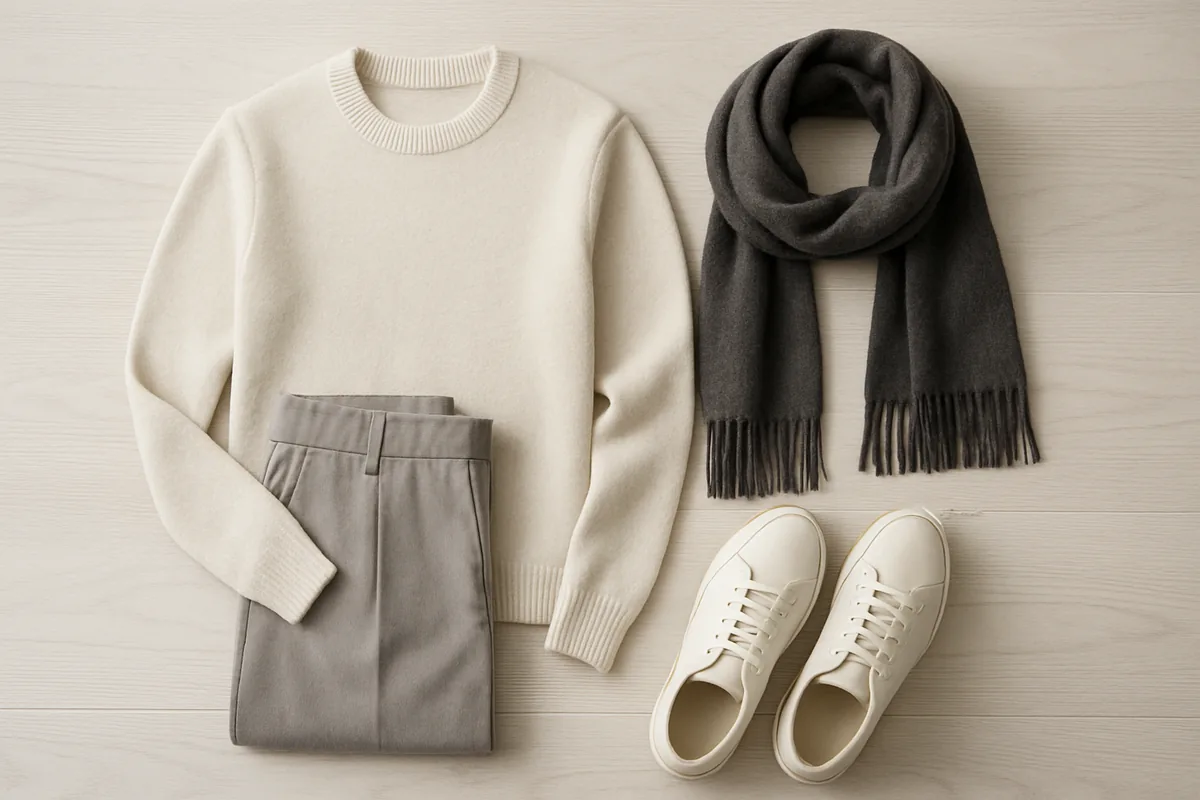
What Makes a Wardrobe Work as a Capsule
A capsule wardrobe is defined by how its pieces work together, not by a small number of hangers. The distinction matters: owning few garments does not automatically create useful outfits or suit the occasions you dress for. Coordination, practical coverage, outfit range, and personal relevance offer clearer ways to assess the result. These criteria also explain why capsules can look different from one person to another.
Capsule Wardrobe Definition
A capsule wardrobe is a selected group of clothing that coordinates into multiple outfits and covers the wearer’s regular needs. Its value comes from the relationships among garments, rather than from the number owned. The comparison below uses two hypothetical five-piece groups; the figures illustrate how coordination can differ at the same size.
| Criterion | Coordinated group | Few clothes without coordination |
|---|---|---|
| Coordination | Three tops pair with two bottoms, creating up to 6 combinations. | Three tops may pair with only one suitable bottom each, creating 3 combinations. |
| Practical coverage | Pieces suit two regular settings, such as casual days and a relaxed workplace. | Five garments may all suit one setting, leaving the other uncovered. |
| Outfit range | Six top-and-bottom pairings provide distinct starting points for outfits. | Three pairings offer fewer combinations, even with the same garment count. |
| Personal relevance | Each piece reflects activities, fit preferences, and clothes the wearer enjoys. | A small collection can still contain items that rarely match the wearer’s routine or taste. |
These examples are comparisons, not required totals: a group works as a capsule when its pieces coordinate, cover real occasions, create options, and feel relevant to the person wearing them.
Common Principles and Misconceptions
Coordination is a practical principle: a shirt, trousers, and jacket should work together in more than one combination, rather than each depending on a single matching piece. Repeat wear is expected, too. Wearing the same jacket on Monday and Thursday is useful when it supports different outfits, not evidence that the wardrobe has failed. A functional selection also accounts for the categories a person actually uses, such as work clothes, everyday layers, or occasion wear.
Intentional selection means considering each garment’s role, fit, comfort, and compatibility with existing pieces before keeping or adding it. It does not mean every item must be interchangeable with every other item; a formal outfit or weather-specific coat can have a narrower role and still earn its place.
There is no universal item count that defines a capsule, and a lower count is not automatically better. A neutral palette can make pairing easier, but prints, bright colors, or favorite shades can coordinate just as well when colors and shapes relate. Nor is a capsule tied to one style: tailored, casual, outdoors-focused, and expressive wardrobes can all follow the same practical principles. The useful measure is whether the clothes support regular activities and offer choices the wearer wants to put on.
Build a Capsule Wardrobe Step by Step
A useful capsule wardrobe guide starts with the clothes you already own, not a shopping list. Review what you wear alongside the shape of a typical week, including workdays, errands, and time outdoors. Then check whether your current pieces make complete outfits for those activities and the weather you encounter. A short written plan helps you address the most frequent gaps while leaving room for routines or seasons to change.
Review Clothing and Daily Activities
Start by making a quick inventory of clothing you own, grouping similar items such as shirts, trousers, dresses, and jackets. Use a notes app or a capsule wardrobe checklist to record what is clean, wearable, and regularly chosen.
- For one or two weeks, note the specific pieces you reach for and the outfits you actually wear, rather than relying on memory.
- Map your usual week by activity, such as five office days, two remote days, school runs, exercise, or evening plans.
- Record practical conditions: a 30-minute walk to work, a chilly office, frequent rain, or time spent outdoors can change what an outfit needs.
- Check the weather across the season you are dressing for, then note whether you use light layers, a warm coat, or rain protection.
- Set aside useful pieces already in rotation, including a reliable shirt, comfortable trousers, and a layer that works with several outfits.
Keep the inventory focused on garments that fit your current routine; an unworn occasion piece should not outweigh clothes used several times each week.
Find Outfit Gaps and Plan Flexibly
Look for missing outfit functions rather than missing garment counts. If you have suitable tops and trousers but no layer for a cool commute, that is a clearer gap than simply wanting another item. Consider whether you can dress for your regular work setting, a relaxed weekend, and the weather you recorded.
Test combinations with clothes already in your closet: lay out a top, bottom, and layer, then check that each piece works with at least two other items. Photograph successful outfits or note the combinations on your phone. This simple test reveals when a garment coordinates only with one special piece, or when neutral clothing pieces already give you more options than expected.
Rank potential gaps by frequency and impact. A missing everyday layer may affect several outfits each week, while a formal accessory may matter only for an occasional event. Plan around the highest-use need first, and consider whether a different combination or a piece you own can solve it.
Revisit the plan after a change in schedule, climate, or activity. A new commute or a shift from warm to colder weather can alter which pieces earn regular use, so adjust the list instead of treating it as fixed.
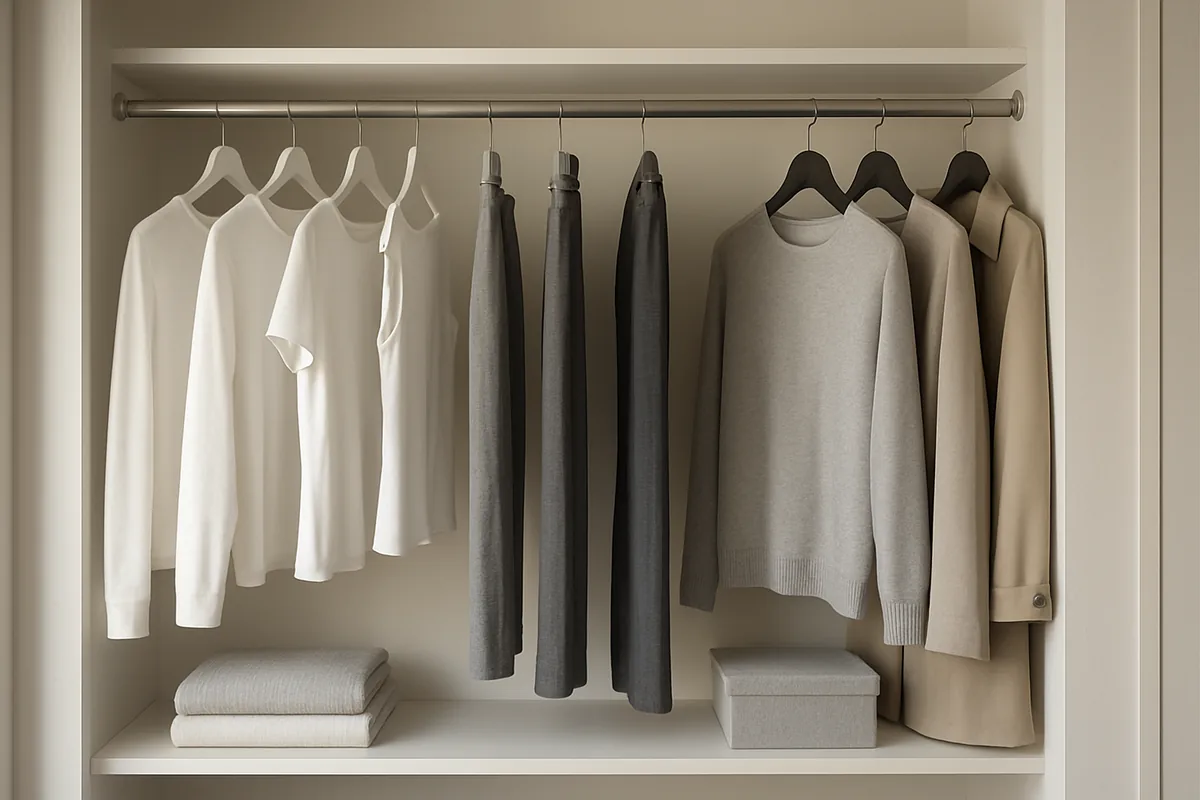
Capsule Wardrobe for Women
A useful women’s capsule wardrobe reflects the way you actually dress, from weekday workwear to weekends and changing weather. Fit preferences, daily activities, and climate all shape which pieces earn space in your closet. Tops, bottoms, layers, and footwear work best when their cuts and comfort suit your routines. A few adaptable outfit combinations can help you assess whether the pieces coordinate without relying on one prescribed style.
Fit, Activities, and Clothing Categories
Start with fit preferences that affect how often you reach for a garment: shoulder seams that sit comfortably, sleeves that allow arm movement, and waistbands that stay secure when you sit. A relaxed or close-fitting cut is a personal choice, not a rule tied to body shape. For work, consider requirements such as a uniform, client-facing dress code, or time spent walking; a desk-based day may call for different comfort and movement than a job spent standing.
Climate and routine help determine which categories deserve room. In a mild, rainy region, a light waterproof layer may be more useful than a heavy coat; where winter mornings regularly fall below freezing, a warm coat and insulating midlayer are practical. Choose enough tops, bottoms, layers, and footwear for the activities you repeat: for example, include walking shoes if you commute on foot and a smarter shoe if your workplace calls for one. The useful balance depends on your actual week, not a fixed category count.
Adaptable Outfit Combinations
Build combinations around pieces that suit your comfort and preferred silhouette. For a casual office, try a fine-knit top with straight-leg trousers and a cardigan; on a warmer day, swap the knit for a breathable button-front shirt and leave the cardigan behind. For errands, a cotton T-shirt with jeans and a light jacket gives a different level of structure while keeping the same practical base. These examples can shift toward looser or more fitted cuts without changing the basic formula.
Color makes pieces easier to combine: navy, cream, and denim can coordinate across several outfits, while one patterned blouse or colored layer adds contrast if that suits your style. Change a shoe or layer to adapt a combination for a commute, a relaxed lunch, or a cooler evening. Check comfort by sitting, reaching, and walking in the complete outfit, since a waistband, hem, or shoe that feels restrictive can make an otherwise coordinated look impractical. The aim is a mix-and-match wardrobe that reflects your taste rather than a uniform.
Capsule Wardrobe for Men
A men’s capsule wardrobe can look different for an office-based routine, hands-on work, or a week divided between home and social plans. Start with the settings clothes need to serve, such as a commute, meetings, weekend errands, and outdoor time. Fit preferences and local weather affect which fabrics, cuts, and layers feel comfortable through a full day. The aim is a useful set of options, not a fixed uniform or a prescribed number of garments.
Lifestyle, Fit, and Clothing Categories
Daily routines determine which clothes earn regular use. Someone who spends five days in a business-casual office may reach for button-front shirts and tailored trousers, while a tradesperson may need durable workwear and comfortable layers. A commute by bicycle, frequent travel, or weekend hiking can also change which fabrics and footwear are practical. Think about the actual settings in a typical week rather than buying for an imagined lifestyle.
Fit preferences matter across categories: a relaxed shoulder and straight leg allow easier movement, while a closer cut may suit someone who prefers a cleaner outline. Shirts can range from Oxford cloth to casual knits; trousers might include denim, chinos, or wool options, depending on dress expectations. Add layers such as a cardigan, overshirt, or weather-resistant jacket according to climate and indoor temperatures. Footwear may include leather shoes, simple sneakers, or sturdy boots. Choose categories and cuts that feel comfortable for the hours you wear them.
Flexible Outfit Combinations
For a relaxed day, a crew-neck knit with dark jeans and clean low-profile sneakers offers an easy combination; switching to leather sneakers can make the same pieces feel slightly sharper. For a business-casual setting, pair a fine-gauge sweater with wool trousers and leather loafers, adjusting the formality to workplace expectations. These are starting points, not dress codes: a preference for roomier shapes, shorter hems, or softer fabrics can guide the final choices.
Changeable weather calls for layers that can be added or removed without disrupting proportions. A lightweight jacket over a henley and straight-leg chinos works for a mild morning, while a compact rain shell over the same base handles showers. Keep colors coordinated with two or three shades that already appear in your closet; navy, gray, olive, and cream are options, not requirements. Check that sleeves allow movement, trouser hems sit comfortably with the chosen shoes, and fabrics suit the day’s activity. Small adjustments in color, fit, and layering make combinations feel personal.
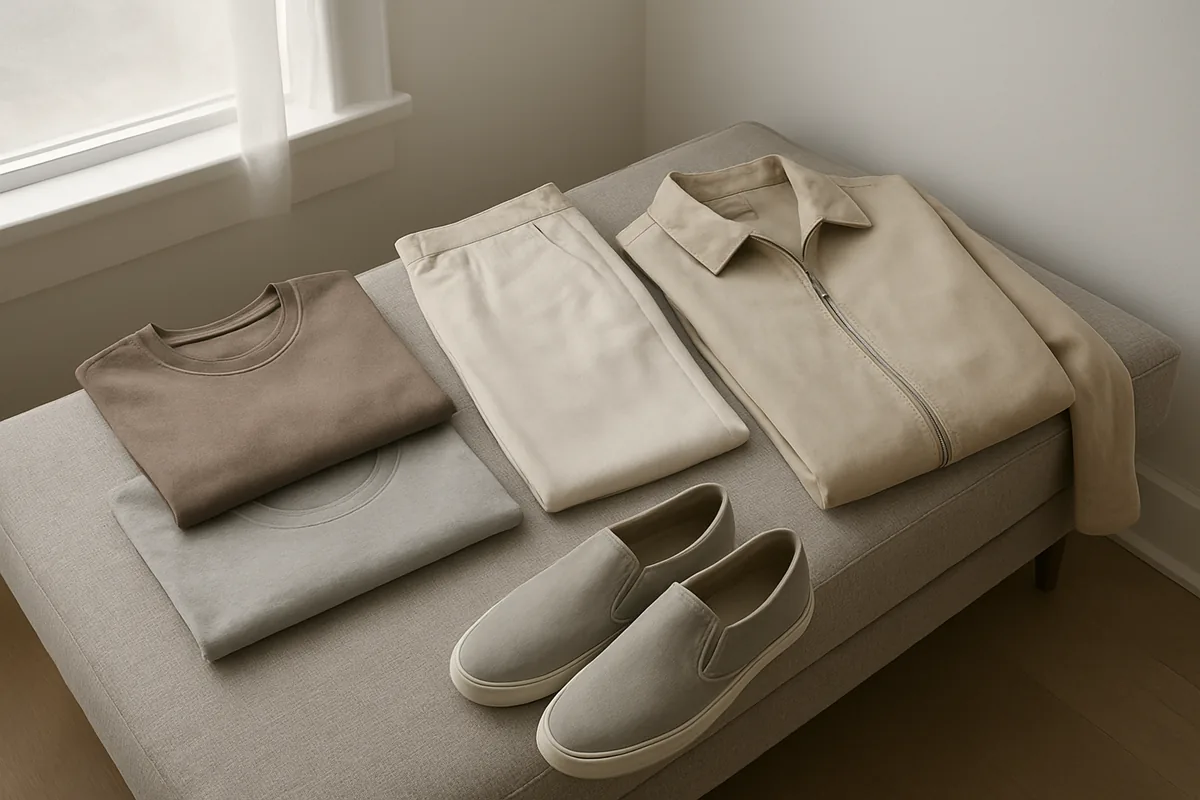
French Capsule Wardrobe Style
French-inspired dressing is often associated with restrained colors, clean proportions, and familiar pieces worn in several combinations. These are styling references, not requirements for a functional capsule wardrobe or rules followed by everyone in France. You can borrow one detail, such as a striped top or a tailored jacket, without changing your whole closet. The most useful choices are those that suit your preferred fit, climate, and routine. A capsule wardrobe guide can help you compare these references with the clothes you already enjoy wearing.
French-Inspired Styling References
French-inspired outfits are often shown in a restrained palette: navy, black, cream, white, and tan, sometimes punctuated by red. A Breton-style striped top, a trench coat, a fine-knit sweater, and straight-leg trousers are familiar references in fashion imagery, but they are not a required uniform or a reliable description of every French wardrobe. The look tends to come from considered combinations rather than a long list of distinctive items.
Proportion is another common reference. A relaxed shirt might be tucked into higher-rise trousers, or a neat jacket might balance wider-leg pants; the contrast makes a simple outfit feel deliberate. Repeatable basics also matter: a plain knit can work with jeans on an informal day and with tailored pants for a smarter setting. These styling conventions differ from universal wardrobe principles. Comfort, suitable fit, and usefulness for your own week matter regardless of whether you choose stripes, neutral colors, or a trench. Treat references as optional starting points, then keep only the pieces that fit your climate and taste.
Color, Silhouettes, and Outfit Ideas
For easy color coordination, choose a small group of shades you already wear, such as navy, cream, and denim blue, then add one accent color if it feels natural. Black and gray may suit a sharper palette; olive and warm brown can feel softer. Neutral clothing pieces that coordinate can simplify dressing, but prints and brighter colors work just as well when they match your preferences and existing clothes.
Silhouette is a matter of comfort and proportion, not a fixed formula. Pair a relaxed linen shirt with straight jeans for an easy daytime outfit, or wear a fitted knit with wide-leg trousers if you like a more defined shape. For a polished commute, try a structured jacket over a simple top with ankle-length pants; for a casual weekend, use a cardigan, a cotton tee, and a skirt that allows comfortable movement. Choose fabrics and shoes for your actual day, including walking distance, temperature, and dress expectations. A useful mix and match wardrobe reflects those needs rather than reproducing a single look.
Minimalist Wardrobe Principles
A minimalist wardrobe is shaped by deliberate choices, not by a required number of garments or a rule that every piece must be neutral. Editing starts with how clothing fits, its condition, how often it gets worn, and whether it suits real activities such as commuting, office work, or weekend walks. A considered palette helps shirts, trousers, skirts, and layers work together, whether it uses black and navy or includes brighter colors. The aim is to make daily choices easier while keeping enough options for changing plans and personal taste.
Editing Clothing and Choosing a Palette
Assess each garment by trying it on and checking fit while sitting, reaching, and walking. Keep pieces that feel comfortable through those movements and suit regular activities; a jacket that restricts driving or shoes that hurt after a short walk may not earn useful closet space. Check seams, zippers, stains, and fabric wear in daylight. A missing button is easy to repair, while persistent damage or a poor fit may make a piece impractical. Frequency matters, but it should be read in context: a raincoat worn only during wet weeks can serve a clear purpose, while several nearly identical shirts may compete for the same occasions. Consider what you wore over the past few months and whether each item fills a distinct role. When choosing a palette, select colors that coordinate with clothing you already reach for. Navy, olive, cream, rust, or cobalt can all work; try pairing one patterned item with two solid colors before buying more. A palette is useful when it makes combinations easier, not when it excludes colors you enjoy.
Balancing Variety and Simplicity
Simplicity works when the main clothing categories cover your actual week. A person who moves between a casual office and evening classes may need comfortable trousers, a presentable top, and a layer suitable for both settings; someone who works outdoors will have different priorities. Check whether your existing tops, bottoms, and layers can form several comfortable outfits, rather than aiming for a particular garment count. For instance, a button-front shirt can work with jeans for errands and tailored trousers for a meeting, if both combinations suit your routine. Repeatable combinations reduce decision-making, while a few preferred accents keep outfits from feeling interchangeable. A patterned scarf, colorful knit, distinctive shoes, or jewelry can add contrast without requiring a separate outfit for every occasion. Make room for clothing linked to real needs, such as a uniform, sports practice, or formal events, instead of treating those items as failures of minimalism. Personal minimalism may mean fewer choices for one person and a broader selection for another; the useful measure is whether the wardrobe supports everyday activities without accumulating pieces that go unworn.
Seasonal Capsule Wardrobes
A seasonal capsule wardrobe responds to local temperatures, rainfall, daylight, and the activities that fill a typical week. A 5°C morning commute calls for different layers than a dry 22°C afternoon, even when the same core garments remain useful. Flexible layers can help familiar pieces work across changing conditions without requiring a complete set of clothes for every forecast. The approach also depends on whether you rotate clothing by season or keep most of your wardrobe in use year-round.
Weather, Layers, and Activities
Start with the conditions you actually encounter: a windy 8°C walk, a rainy school run, or a warm office where the heating stays on. A breathable base layer, a shirt or fine sweater, and a weather-resistant outer layer let you adjust as temperatures shift between outdoors and indoors. For light rain, a tightly woven jacket may be enough; prolonged wet weather calls for a waterproof shell with a hood. Check the forecast for wind and precipitation as well as the high temperature, since both affect comfort.
Match layers to the day’s movement. Walking or cycling generates more warmth than waiting at a bus stop, while outdoor work may require durable fabrics and room to move. Merino or synthetic base layers can be practical for active days because they dry faster than heavy cotton; a removable midlayer helps prevent overheating indoors. These combinations extend the use of core garments: a lightweight sweater can serve alone in mild weather and beneath a coat when temperatures drop. Choose layers that fit together without restricting movement, especially at the shoulders and sleeves.
Seasonal Rotation and Year-Round Clothing
A seasonal rotation keeps weather-specific clothing accessible while placing less useful items out of the way. At the start of a colder period, bring forward insulated coats, heavier knitwear, and waterproof footwear; when warmer days arrive, store those pieces and make lighter fabrics easier to reach. A year-round wardrobe takes the opposite approach: most garments stay available, with layers handling temperature changes. The first method can make a small closet easier to navigate, while the second avoids packing and unpacking several times a year.
Storage space and repeat-wear needs help determine which arrangement works. If a bulky coat is worn daily for four months, keep it close at hand; if it is needed only during occasional cold snaps, a clean, dry storage box may free valuable closet space. Leave transitional pieces available during spring and autumn, when a mild afternoon can follow a chilly morning. Before storing garments, wash or clean them according to their care labels, dry them fully, and use breathable covers rather than sealing damp fabric in plastic. Keep frequently worn layers accessible so changing weather does not force unnecessary outfit replacements.
Clothing Categories and Outfit Formulas
A capsule wardrobe guide becomes practical when individual garments are considered as parts of complete outfits. Tops and bottoms create the base, while layers, footwear, and accessories adjust comfort and function. The same pieces can serve different activities when their colors and proportions coordinate. Use the examples below as flexible starting points rather than a fixed shopping list.
How Clothing Categories Work Together
Each category has a distinct job: tops and bottoms establish the outfit, layers respond to temperature or formality, and footwear supports the day’s activities. Accessories add useful details, such as a belt to define a waist or a scarf for extra warmth. Neutral clothing pieces that coordinate make it easier to reuse each garment across several combinations.
| Category | Role and coordination | Example use |
|---|---|---|
| Tops | A shirt, T-shirt, or knit sets the outfit’s color and neckline; choose shapes that sit comfortably under layers. | For a 15–20°C office commute, a cotton shirt works alone indoors. |
| Bottoms | Jeans, trousers, or a skirt anchor the silhouette; match their rise and volume to the top. | Straight-leg trousers suit desk work and walking between appointments. |
| Layers | A cardigan, blazer, or coat adds warmth and can shift an outfit from casual to polished. | At about 5–10°C, add a coat over a knit for an outdoor commute. |
| Footwear | Shoes affect comfort, weather readiness, and formality; consider walking distance and surface. | Choose sneakers for a long city walk or loafers for a meeting-focused day. |
| Accessories | A belt, bag, or scarf adds function or a focal point without changing the base garments. | A crossbody bag keeps essentials accessible during errands. |
Check the whole combination in motion: a jacket should close over the top, and shoes should suit the route. This coordination turns wardrobe staples for everyday outfits into a mix and match wardrobe.
Adaptable Outfit Formulas
Use outfit formulas to create more outfits with fewer clothes without locking yourself into a uniform. Start with a base suited to the activity, then adjust the layer and footwear for the forecast, setting, and time spent outdoors.
Top + bottom + layer: Pair a breathable shirt with trousers and a light cardigan for a cool office; swap the cardigan for a rain jacket on a wet commute. For a relaxed weekend, use a T-shirt, jeans, and an overshirt, then choose walking shoes if the day includes several miles on foot.
One-piece + footwear + optional layer: Wear a simple dress with flats in mild weather, or add tights, ankle boots, and a coat when temperatures fall. A jumpsuit can work with sneakers for errands; a structured jacket and cleaner shoes make it more suited to an informal dinner.
Top + bottom + two layers: In colder weather, combine a long-sleeved top, trousers, a thin knit, and a coat. Remove the coat indoors and keep the knit if the room is cool. In warm weather, leave the extra layer aside and choose breathable fabrics. These formulas let activity and weather shape each combination rather than requiring a separate outfit for every occasion.
Who This Guide Is For and How to Use It
This capsule wardrobe guide is for readers with different schedules, budgets, style preferences, and reasons for rethinking what they wear. An office-based routine, shift work, caregiving, and frequent travel can each call for a different mix of clothing. Some readers want outfits to coordinate more easily; others want to wear more of what they own or plan for changing seasons. Use the guidance that matches your current question, then adjust examples to your climate, daily activities, fit preferences, and existing clothes. This is an independent English-language information guide, not a shop or service provider; no products or services are offered.
Different Lifestyles, Budgets, and Goals
A useful wardrobe plan starts with the constraints of your week, not an idealized routine. Consider which of these situations most closely matches yours:
- For a five-day office schedule, prioritize comfortable work trousers, washable tops, and a layer that suits indoor temperatures and your commute.
- For shift work or caregiving, choose easy-care pieces that handle repeated wear and allow comfortable movement through long, active days.
- For frequent travel, focus on garments that coordinate across several outfits and suit the trip’s forecast, luggage space, and planned activities.
- For a tight clothing budget, begin with items already in your closet and replace a worn essential only when a clear gap remains.
- For changing style preferences, keep familiar silhouettes while testing one new color, print, or shape alongside pieces you already wear.
Your goal may be quicker outfit choices, fewer unworn garments, or a better seasonal rotation. A wardrobe for walking outdoors most days will differ from one centered on a desk and occasional formal events.
Choose a Starting Point and Adapt Suggestions
Start with the question you need to solve now. If outfits feel repetitive, use mix-and-match examples to test whether your tops, bottoms, and layers coordinate; if the closet feels crowded, begin by identifying clothes you wear in a typical week. A capsule wardrobe checklist can help you record gaps without turning a suggested item count into a fixed rule. Adapt each example to local weather and actual plans. In a mild climate, a light jacket may cover much of the year; in a cold winter, a warm coat, insulating midlayer, and weather-ready footwear may matter more. A person who cycles to work may favor stretch and rain protection, while someone who works from home may need fewer formal outfits. Use clothes you own as the first test of any suggested combination. If a cut restricts movement, substitute a fit you find comfortable; if a color does not suit your preferences, choose another shade that coordinates with your existing pieces. Practical choices make a functional wardrobe easier to maintain.
Building a Capsule Wardrobe for Women and Men
A useful wardrobe plan begins with the same practical questions for everyone: what you do each week, what the weather demands, and which clothes feel comfortable. Personal preferences, fit, and dress expectations can shape the answers more than gender labels. Choose pieces that suit your actual routine, from a uniform-friendly workday to frequent outdoor errands. The aim is a versatile closet where the clothes you select work together in real situations.
Shared Planning Considerations
Start by listing a typical week: work or study, commuting, exercise, social plans, and time outdoors. A person who walks to work in rainy weather may need a water-resistant layer and shoes with grip, while someone working from home may prioritize comfortable tops and indoor layers. Climate matters at the level of daily comfort: note how often you face cold mornings, warm afternoons, or wet conditions, then choose clothing that handles those patterns.
Check fit while moving, not only while standing. Sit, reach, and walk in candidate pieces; sleeves should allow arm movement, waistbands should stay comfortable, and hems should suit the shoes you wear most. Choose preferred categories based on use, such as shirts, knitwear, trousers, skirts, dresses, or shorts. A small set of tops, bottoms, and layers becomes useful when several combinations suit your routine, such as a shirt with two different trousers or a knit layer over a work outfit.
Different Needs, Flexible Choices
Clothing needs differ with occupation, movement, comfort, and personal taste, not with a fixed rule about who should wear a particular item. For a desk-based day, a breathable shirt or knit top may pair with tailored trousers; a hands-on job may call for durable fabric and a top that stays comfortable through repeated movement. Someone who cycles may prefer stretch bottoms and a close-fitting outer layer, while another person may choose a skirt or dress with a warm layer for the same commute.
Adapt each category to the activity: select a relaxed or structured top, choose trousers, shorts, a skirt, or a dress, and add a cardigan, overshirt, or weatherproof jacket as needed. Footwear can shift an outfit from a long walk to an indoor event; comfortable trainers and low-profile shoes are options, not gendered defaults. If a chosen piece fits well and works with at least two items already owned, it can earn a place in the mix-and-match wardrobe. Personal preference remains the deciding factor.
French-Inspired Style, Minimalism, and Seasonal Wardrobes
French-inspired styling, minimalist editing, and seasonal rotation address different parts of wardrobe planning. One offers visual cues, another helps shape what stays in the closet, and the third changes which clothes are easy to reach. You can use one approach or combine them, depending on your preferences and routine. The most useful mix is the one that suits your climate, activities, and comfort with variety.
Three Approaches to Wardrobe Planning
French-inspired styling is a visual reference: it draws attention to proportion, a restrained color story, and polished pieces such as a striped top, dark straight-leg jeans, or a structured jacket. Its purpose is a recognizable look, not a required shopping list.
Minimalist editing instead concerns decision-making and volume. It favors keeping garments that serve regular tasks and coordinate readily; a small wardrobe can still include color, prints, or an occasional event outfit.
Seasonal rotation organizes access around conditions and activities. A person facing winter mornings near freezing may bring wool layers forward, while someone in a mild climate may rotate lighter jackets and rainwear.
These methods can work together: use French-inspired proportions as a styling cue, minimalist editing to limit redundant choices, and seasonal rotation to keep relevant pieces within reach. The balance can change as work, climate, or taste changes.
Choosing an Approach That Fits
Begin with the colors and silhouettes you reach for. If navy, cream, and tailored jackets feel natural, French-inspired references may help you define a consistent look; if relaxed trousers and brighter tops suit you better, adapt the cues rather than copying them.
Consider how much choice you want each morning. Someone who prefers a short list of dependable combinations may value minimalist editing, while a person who enjoys prints or occasion-specific clothing can keep more variety without adopting a strict limit.
Let local weather shape rotation: frequent rain calls for accessible waterproof layers, while cold winters may require warm coats, knitwear, and boots. In a place with mild seasons, a light jacket and a few adaptable layers may cover more of the year.
Match the plan to your activities, too. An office commute, outdoor work, and weekend exercise call for different clothing. Combine visual references, selective editing, and seasonal storage only where each supports your actual routine.
Clothing Categories, Outfit Formulas, and How to Use This Guide
A practical outfit framework makes wardrobe planning easier to apply to real days. Categories show whether the closet covers common needs, while outfit formulas help reveal which pieces work together. Neither requires every reader to own the same garments or follow a fixed count. Use the focused topics below to find guidance for questions about style, seasons, lifestyle, or planning. Treat each example as a flexible starting point that can reflect your climate and existing clothes.
A Practical Outfit Framework
Think of clothing categories as a coverage map: tops, bottoms, layers, and shoes each have a role in getting dressed. Outfit formulas then show how those roles connect, such as pairing a knit top with trousers and a jacket. If one item repeatedly has no partners, the issue may be coordination rather than a missing category. This simple check supports a versatile closet without turning every purchase into a numbers exercise.
Choose the focused topic that matches the question you have. For a first plan, start with the capsule wardrobe basics and step-by-step planning topics; for ideas by clothing category, use the dedicated outfit framework. The women’s and men’s guides address different fit and activity needs, while the French-inspired and minimalist topics present distinct style approaches. For weather changes, refer to seasonal wardrobe guidance, and use the audience and guide overview to choose a starting point that fits your goals.
Adapting Examples to Your Wardrobe
Adjust an outfit example to the conditions you dress for rather than copying every item. In a rainy coastal climate, a water-resistant shell may replace a wool coat; for a warm office, a breathable shirt can take the place of a heavy knit. A commute that involves walking may call for supportive shoes, while a formal workplace may require a structured jacket. These swaps preserve the outfit’s purpose while making it usable for your day.
Fit, personal style, and clothing already owned matter just as much. If a sample pairs slim trousers with a tucked shirt but you prefer a relaxed silhouette, try straight-leg trousers and a shorter top with similar proportions. Keep colors that coordinate with your existing shoes and layers, and reuse a reliable piece before adding another version. There is no required number of garments: a smaller closet works when its pieces suit your activities and create enough combinations, while a larger one may be practical for varied work, climate, or care needs.
Choose a Guide for Your Needs
Practical ways to shape a versatile closet around daily needs.